
Search engine for discovering works of Art, research articles, and books related to Art and Culture


Javascript must be enabled to continue!
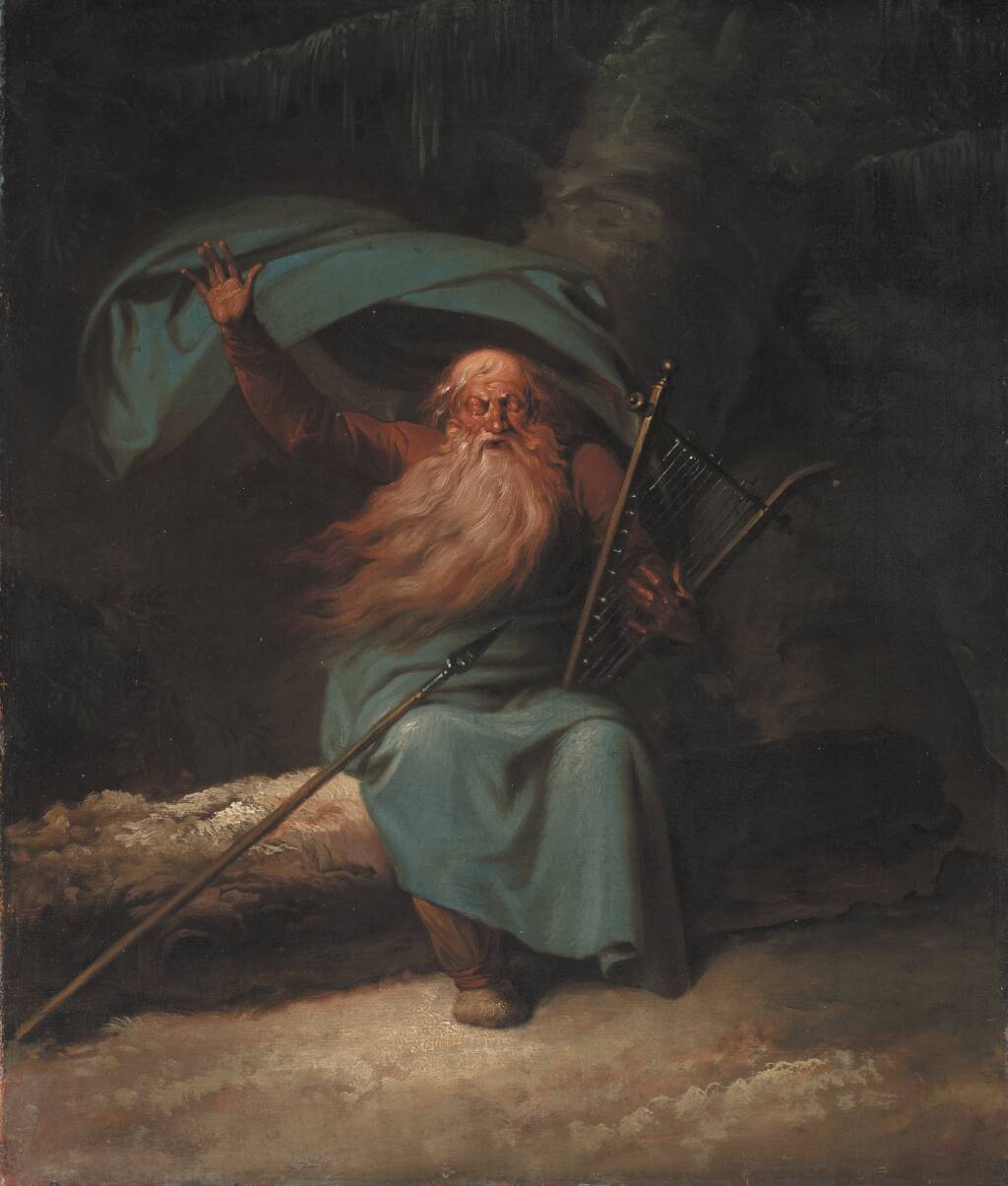
Ossian Singing His Swan Song
View through National Gallery of Denmark
Værkdatering: 1780-1782
Maleriet blev tidligere dateret ca. 1785. Men Patrick Kragelund har påpeget, at maleriet blev udført før maleriet "Ærkeenglen Mikael og Satan strides om Moses' afsjælede legeme" (AROS), der blev omtalt første gang i 1782, mens Abildgaard var i gang med at male det, og han daterer Ossian-maleriet til ca. 1782 (Kragelund, 1999, II, 338 note 437). Da kobberstikkeren Clemens kom i besiddelse af Ossian-billedet før påbegyndelsen af det andet maleri, skal det uden tvivl dateres yderligere et eller to år tidligere.
Related Results
Singing Beach, Manchester
Singing Beach, Manchester
Unlike the Hudson River artists who, encouraged by the aesthetic categories of the sublime and the picturesque, centred on striking nature settings full of cataracts and large moun...
painting (watercolour): ["David Love"]
painting (watercolour): ["David Love"]
Portrait of a man in a black top hat. He also wears a brown jacket and a black waistcoat. He is holding papers in both hands. Stamp at bottom left of page reads 'Bristol Paper' aro...
Arcivévoda Maxmilián polepšuje bratřím Hannßi a Bartlmeovi a jejich strýcům, bratřím Johannesi,Iheremiasovi a Dauidovi a bratřím Andreasi a Tobiasovi Schorům erb
Arcivévoda Maxmilián polepšuje bratřím Hannßi a Bartlmeovi a jejich strýcům, bratřím Johannesi,Iheremiasovi a Dauidovi a bratřím Andreasi a Tobiasovi Schorům erb
Character: description, miniature in the middle of the leaf, 111 x 140 mm.
Original: Divided shield. At the top there is a red-tongued silver swan in the red, at the bottom there i...
Column Krater (mixing bowl for wine and water): Theseus and Poseidon; Musician and Audience
Column Krater (mixing bowl for wine and water): Theseus and Poseidon; Musician and Audience
On one side: the Athenian hero Theseus visits his divine father Poseidon. Theseus’s mother was Aethra, and ancient sources sometimes consider him to be the son of her husband, Aege...
Personifications of medicine, pharmacy and surgery. Oil painting after (?) Nicolas de Larmessin II (1638-1694).
Personifications of medicine, pharmacy and surgery. Oil painting after (?) Nicolas de Larmessin II (1638-1694).
Lettering: Inscriptions on the surgical equipment which forms the costume of the surgeon are as follows. On the instrument on his head: Eleuatoire po' la Teste. On his right arm: B...
Personifications of medicine, pharmacy and surgery. Oil painting after (?) Nicolas de Larmessin II (1638-1694).
Personifications of medicine, pharmacy and surgery. Oil painting after (?) Nicolas de Larmessin II (1638-1694).
Lettering: Inscriptions on the surgical equipment which forms the costume of the surgeon are as follows. On the instrument on his head: Eleuatoire po' la Teste. On his right arm: B...
Personifications of medicine, pharmacy and surgery. Oil painting after (?) Nicolas de Larmessin II (1638-1694).
Personifications of medicine, pharmacy and surgery. Oil painting after (?) Nicolas de Larmessin II (1638-1694).
Lettering: Inscriptions on the surgical equipment which forms the costume of the surgeon are as follows. On the instrument on his head: Eleuatoire po' la Teste. On his right arm: B...
Personifications of medicine, pharmacy and surgery. Oil painting after (?) Nicolas de Larmessin II (1638-1694).
Personifications of medicine, pharmacy and surgery. Oil painting after (?) Nicolas de Larmessin II (1638-1694).
Lettering: Inscriptions on the surgical equipment which forms the costume of the surgeon are as follows. On the instrument on his head: Eleuatoire po' la Teste. On his right arm: B...