
Search engine for discovering works of Art, research articles, and books related to Art and Culture


Javascript must be enabled to continue!
Fauvism
View through Artsy
Fauvism is considered the first modern art movement of the 20th century. In 1905, the groundbreaking Fauvist exhibition at the French Salon d’Automne debuted the bright, expressive paintings of Henri Matisse, André Derain, Maurice de Vlaminck, and Kees van Dongen, prompting the critic Louis Vauxcelles (who would later give Cubism its name) to dub the painters fauves, French for “wild beasts.” The Fauvists drew from the spontaneous painting styles of Post-Impressionists such as Paul Gauguin, Paul Cézanne, and Vincent van Gogh, but took painting even further into abstraction. Unlike their predecessors, the Fauvists believed that color could be non-representational, applying vibrant pigments (often straight from the paint tube) in radical and unexpected ways, such as a nude woman painted in blue or an artist’s studio colored entirely in red. “When I put down a green, it doesn’t mean grass; and when I put down a blue, it doesn’t mean the sky,” Matisse explained. By 1908 in France, Fauvism had been eclipsed by Cubism as the most powerful influence on avant-garde artists, yet the movement’s perspective on color continued to influence developments in abstraction well into the 20th century.
Title: Fauvism
Description:
Fauvism is considered the first modern art movement of the 20th century.
In 1905, the groundbreaking Fauvist exhibition at the French Salon d’Automne debuted the bright, expressive paintings of Henri Matisse, André Derain, Maurice de Vlaminck, and Kees van Dongen, prompting the critic Louis Vauxcelles (who would later give Cubism its name) to dub the painters fauves, French for “wild beasts.
” The Fauvists drew from the spontaneous painting styles of Post-Impressionists such as Paul Gauguin, Paul Cézanne, and Vincent van Gogh, but took painting even further into abstraction.
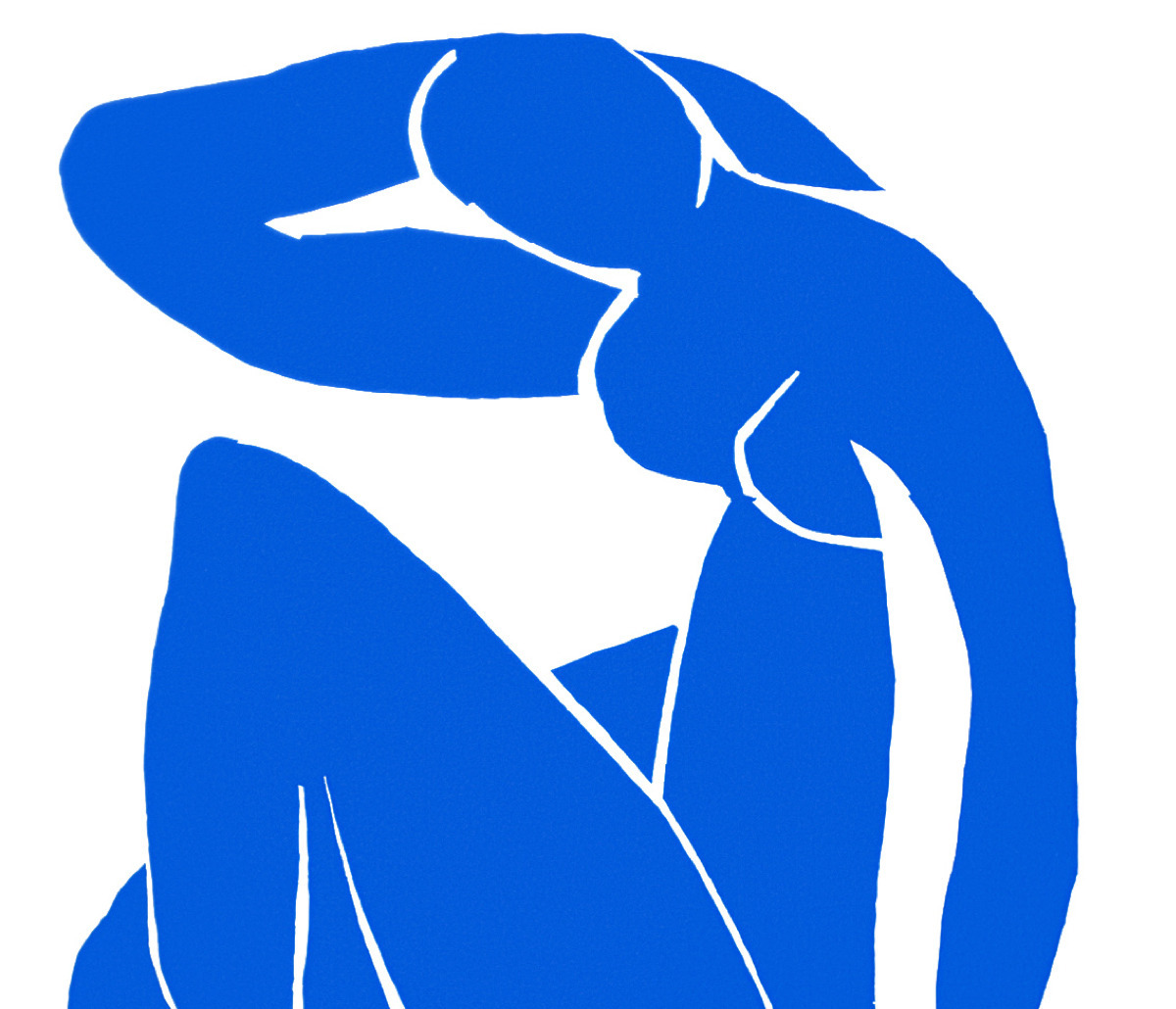
Unlike their predecessors, the Fauvists believed that color could be non-representational, applying vibrant pigments (often straight from the paint tube) in radical and unexpected ways, such as a nude woman painted in blue or an artist’s studio colored entirely in red.
“When I put down a green, it doesn’t mean grass; and when I put down a blue, it doesn’t mean the sky,” Matisse explained.
By 1908 in France, Fauvism had been eclipsed by Cubism as the most powerful influence on avant-garde artists, yet the movement’s perspective on color continued to influence developments in abstraction well into the 20th century.
Related Results
Pierre Henri Matisse 1928-2019
Pierre Henri Matisse 1928-2019
An heir of Fauvism - Pierre's grandfather Henri Matisse was a founding member of the Fauvist Movement in Paris in 1904. A group of modern artists the "Fauves" (meaning wild or unin...
Henri Matisse: Master of Line
Henri Matisse: Master of Line
Henri Matisse is known for Fauvism and as a founding figure in modern art. His intense colours and bold lines revolutionised painting and inspired future generations to experiment ...
Dran, DRAN- FAUVISM (2019)
Dran, DRAN- FAUVISM (2019)
Hand embellished screen print in colours on paper, 45 × 23 cm...
The Crucifixion
The Crucifixion
By George Rouault (1871-1958) Attribution.
Mixed media on paper. 28 x 42 cm. 19th Century
A colorful portrayal of Christ’s crucifixion by the French painter George Henri Rouault (...
Adolphe Wansart. The Spaniard
Adolphe Wansart. The Spaniard
KU Leuven. Glass slides art history. Université de Louvain, between 1839 and 1939. Photographer unknown. Added information on slide. Movement/Style: Expressionism (Brabant Fauvism)...