
Search engine for discovering works of Art, research articles, and books related to Art and Culture



Javascript must be enabled to continue!
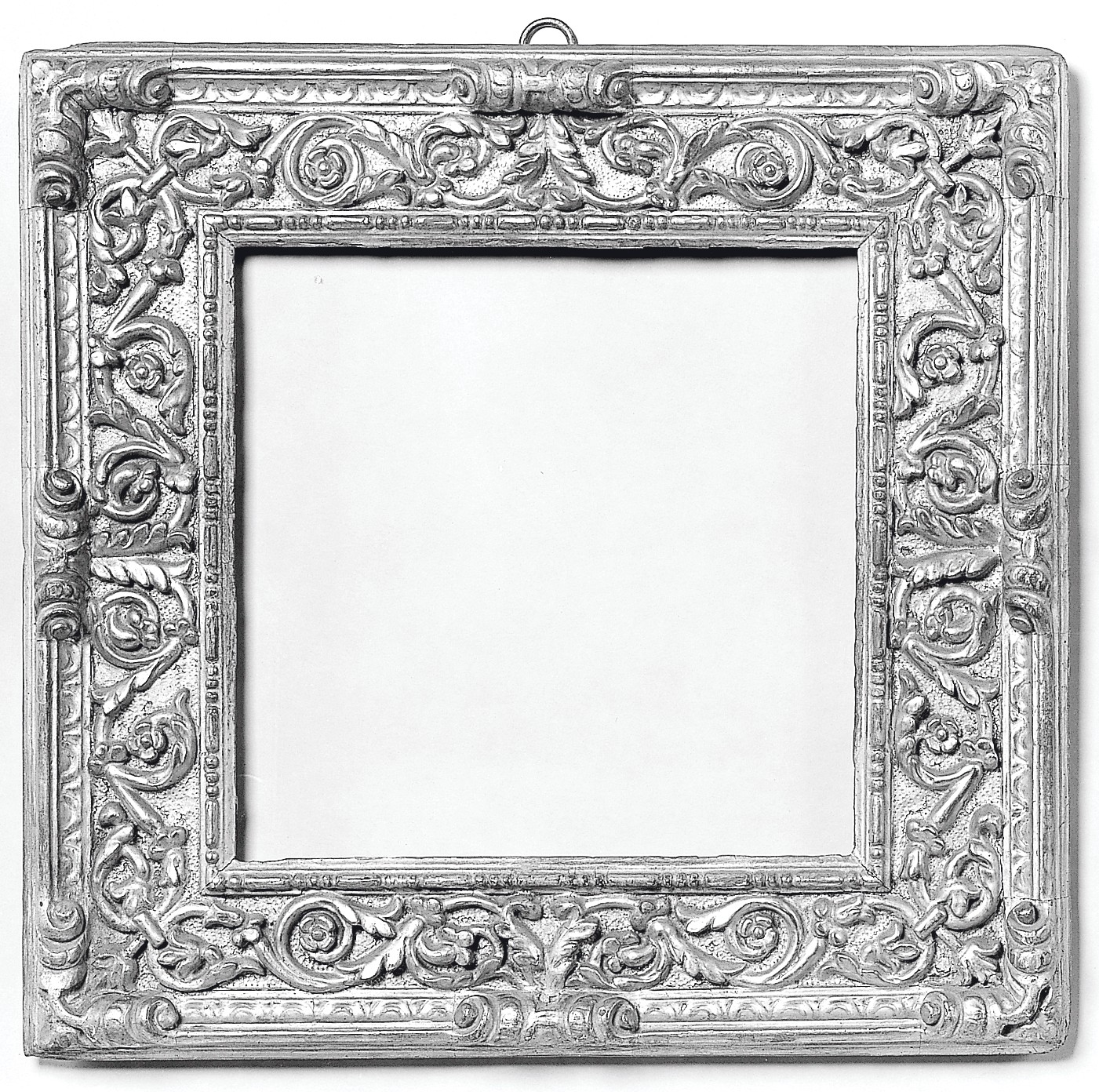
Cassetta frame
View through The Met
Poplar and pine, Italian Lombardy
Robert Lehman Collection, Metropolitan Museum of Art New York NY, Robert Lehman Collection 1975
Related Results
Fickur med châtelaine samt etui
Fickur med châtelaine samt etui
Of gold with enamel, miniature painting, oriental pearls and jargons, dial of enamel, works with s. k. spider canal. Bottom shell convex. On this in cover enamel a figure scene in ...
S. k. double protection cage repeater
S. k. double protection cage repeater
Boett of gold, dial of enamel, work with s. k. Spindle and Percussion. Decor engraved and in broken pattern. Ground shell slightly convex, with a vulst-shaped outer edge. In the mi...
Pocket with a guard
Pocket with a guard
Boett of gold with miniature portraits and jargons, dial of enamel, works with so-called spider walkway. Engraved decoration against the bottom of the punched. Bottom shell convex....
Engaged arched cassetta frame and arched tabernacle frame
Engaged arched cassetta frame and arched tabernacle frame
Poplar. Carved gilt; orange-red bole blue and white color all over greenish tone., Sienese...
Cassetta frame
Cassetta frame
Pine with ebony veneer; half-lapped back frame. Black color. Sight edge: oil-gilt lead knulling. Frieze: sawn ebony veneer. Top edge: ebony molding with pine support., Netherlandis...
Pendant with a chalcedony cameo of Cleopatra, based on a classical type of a Bacchante with snakes, in a contemporary enamelled gold frame with ribbon ties, Europe, ca. 1840-1900. Pendant with a chalcedony cameo of Cleopatra, based on a classical type of
Pendant with a chalcedony cameo of Cleopatra, based on a classical type of a Bacchante with snakes, in a contemporary enamelled gold frame with ribbon ties, Europe, ca. 1840-1900. Pendant with a chalcedony cameo of Cleopatra, based on a classical type of
Pendant with a chalcedony cameo of Cleopatra, based on a classical type of a Bacchante with snakes, in a contemporary enamelled gold frame with ribbon ties, Europe, ca. 1840-1900. ...