
Search engine for discovering works of Art, research articles, and books related to Art and Culture

ShareThis
Javascript must be enabled to continue!

CÓNDOR DE CUATRO CABEZAS // FOUR-HEADED CONDOR MIGUEL ARZABE SOLO EXHIBITION
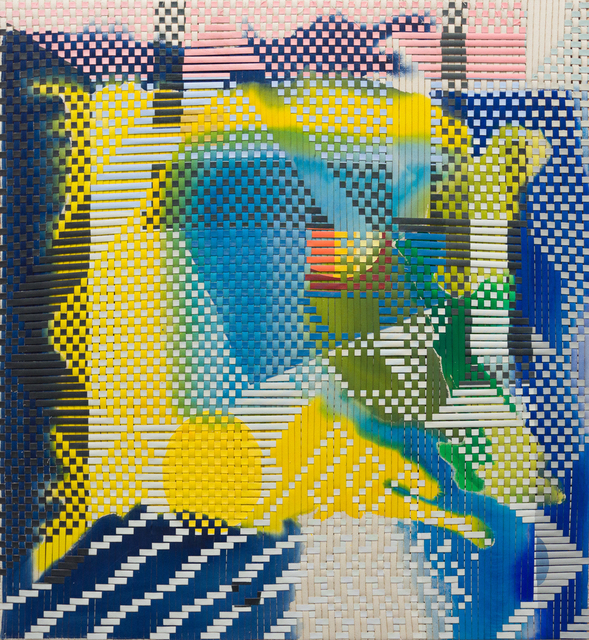
image-zoom
Title: CÓNDOR DE CUATRO CABEZAS // FOUR-HEADED CONDOR MIGUEL ARZABE SOLO EXHIBITION
Description not available.

Related Results

Painting
Painting
The motif depicts the house in the garden of the city cellar in Kungälv, painted in 1941. The house with its characteristic porch remains today [2016] and is called Hotell Fars Hat...
MAXIMILIAN RÖDEL SOLO SHOW
Maximilian Rödel's exhibition is the artist's first solo show at Martina Tauber Fine Art, having previously shown his work in the group exhibition "Lost in Paradise" 2021 and at HI...
Painting
Painting
The work was originally included as an artistic and scenographic part for the exhibition STENARBETARE. An exhibition about the stone industry in Bohuslän. The exhibition was produc...
Painting
Painting
The work was originally included as an artistic and scenographic part for the exhibition STENARBETARE. An exhibition about the stone industry in Bohuslän. The exhibition was produc...
Painting
Painting
The work was originally included as an artistic and scenographic part for the exhibition STENARBETARE. An exhibition about the stone industry in Bohuslän. The exhibition was produc...
Painting
Painting
The work was originally included as an artistic and scenographic part for the exhibition STENARBETARE. An exhibition about the stone industry in Bohuslän. The exhibition was produc...
Painting
Painting
The work was originally included as an artistic and scenographic part for the exhibition STENARBETARE. An exhibition about the stone industry in Bohuslän. The exhibition was produc...
Tirthankara Suparsvanatha in Kayotsarga, or Standing Meditation, Posture and Protected by a Five-Headed Naga
Formerly thought to represent Parsvanatha, Jainism’s twenty-third Tirthankara, this sculpture has now been identified as Suparsvanatha, Jainism’s seventh Tirthankara. According to ...

Back to Top
