
Search engine for discovering works of Art, research articles, and books related to Art and Culture


Javascript must be enabled to continue!
Kejser Konrad III eller Den hellige Stefanus til hest (?)
View through National Gallery of Denmark
The Bamberg original features no symbols that tell us who the rider is. The statue is in the Gothic style; a style which roots itself firmly in Germany where it remained vibrant longer than any other place in Europe. The particular qualities of the style concern a new interest in realistic depictions of the human body and of mundane life – an interest that cohabits easily with the interest in the non-corporeal, the spiritual, and the religious. The figure has taken on unique historic significance. On the strength of e.g. quotes from Hitler’s Mein Kampf (1925-26) the Bamberg Rider was proclaimed an example of a “man with a heart of steel, shaped for battle over the course of generations. Together with Uta of Naumburg the Bamberg Rider became socalled “Gesinningsfiguren” of Nazism, i.e. figures that were to shape the mindset of true Arians.
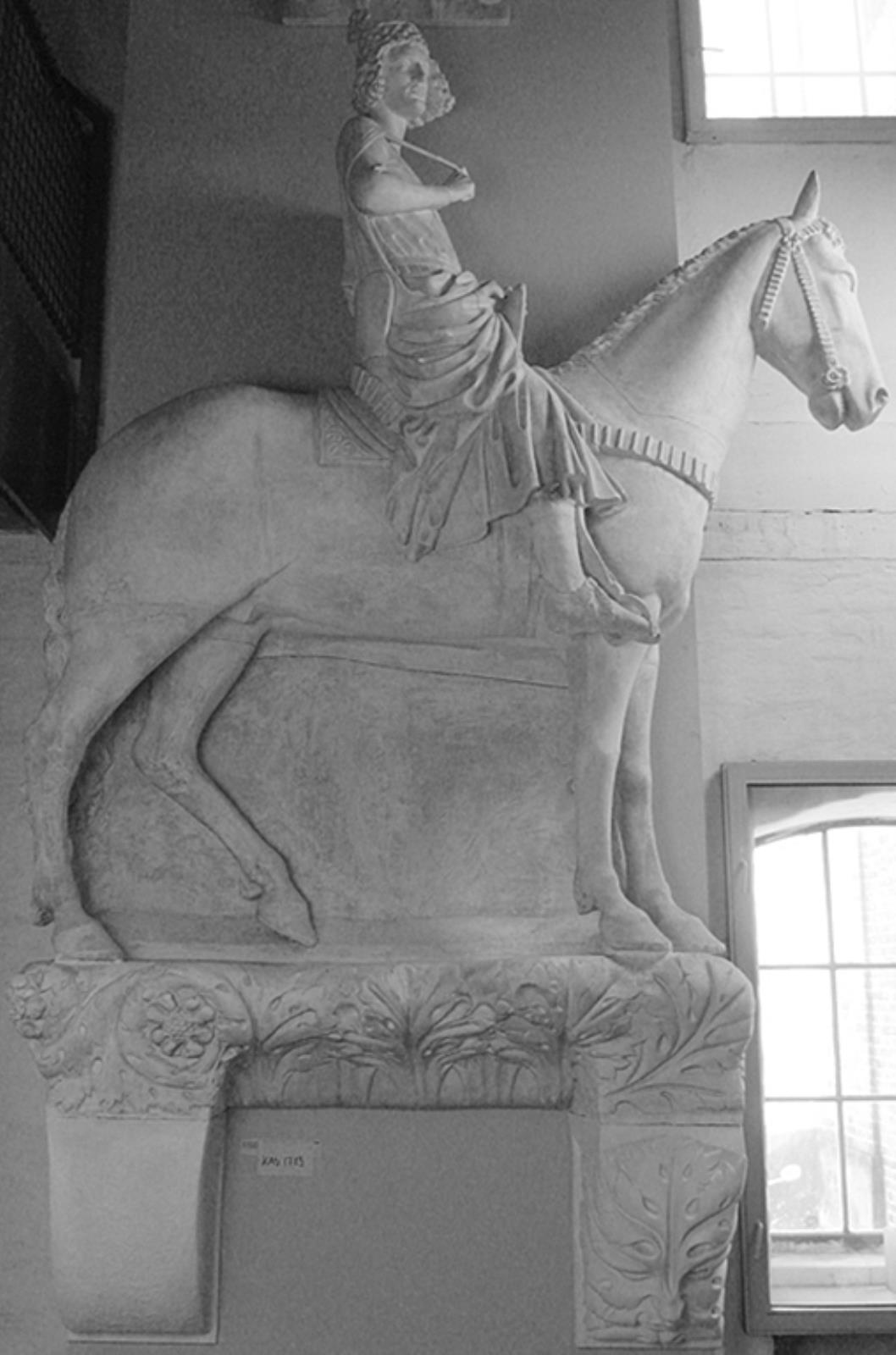
Title: Kejser Konrad III eller Den hellige Stefanus til hest (?)
Description:
The Bamberg original features no symbols that tell us who the rider is.
The statue is in the Gothic style; a style which roots itself firmly in Germany where it remained vibrant longer than any other place in Europe.
The particular qualities of the style concern a new interest in realistic depictions of the human body and of mundane life – an interest that cohabits easily with the interest in the non-corporeal, the spiritual, and the religious.
The figure has taken on unique historic significance.
On the strength of e.
g.
quotes from Hitler’s Mein Kampf (1925-26) the Bamberg Rider was proclaimed an example of a “man with a heart of steel, shaped for battle over the course of generations.
Together with Uta of Naumburg the Bamberg Rider became socalled “Gesinningsfiguren” of Nazism, i.
e.
figures that were to shape the mindset of true Arians.