
Search engine for discovering works of Art, research articles, and books related to Art and Culture



Javascript must be enabled to continue!
Scarab Inscribed with the Name of Ramesses IV
View through The Met
Bright green faience, New Kingdom, Dynasty 20 (Ramesside)
Rights: Public Domain
Egyptian Art, Metropolitan Museum of Art New York NY, Rogers Fund and Edward S. Harkness Gift 1922
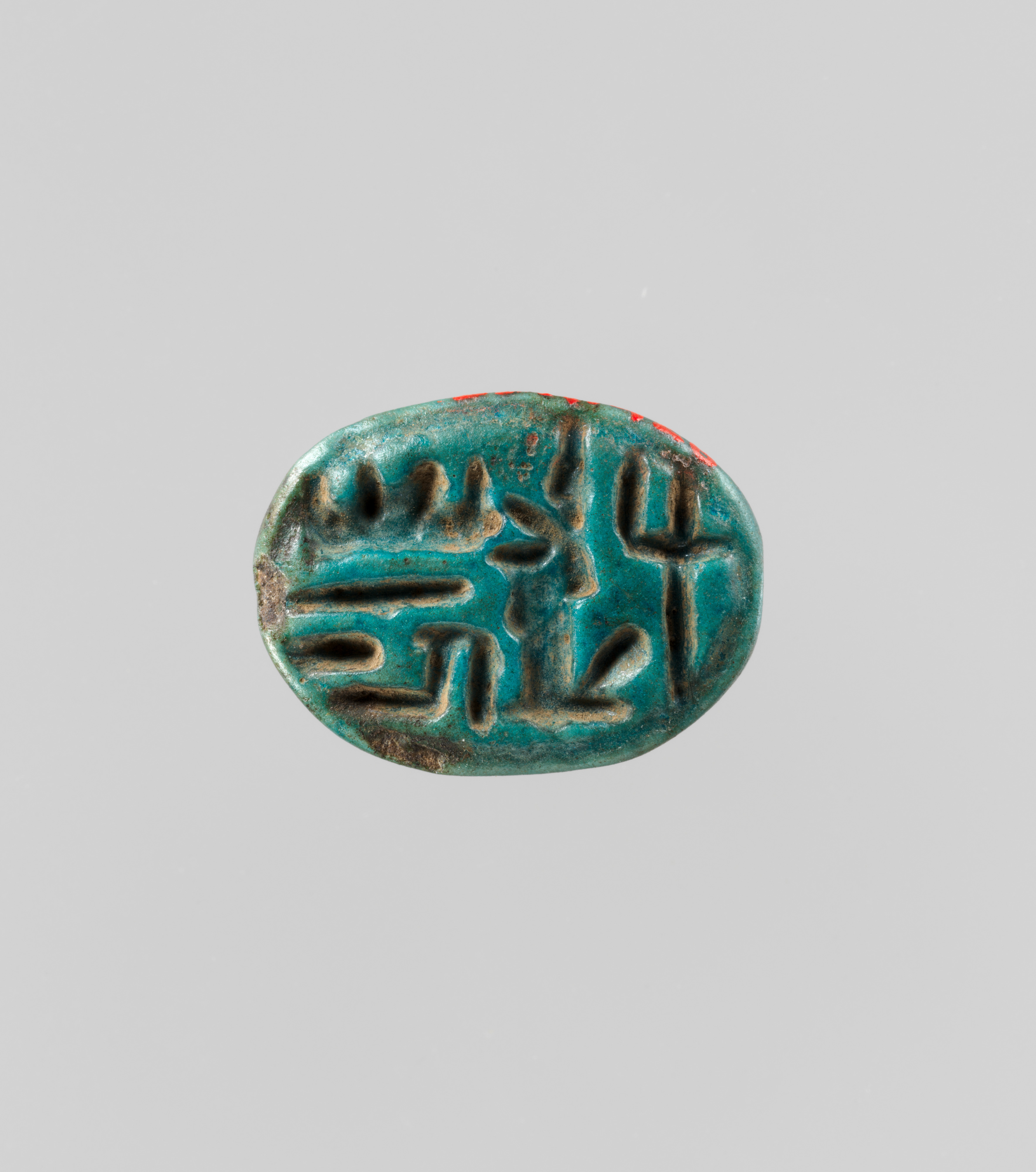
Title: Scarab Inscribed with the Name of Ramesses IV
Description:
Bright green faience, New Kingdom, Dynasty 20 (Ramesside).
Related Results
Personifications of medicine, pharmacy and surgery. Oil painting after (?) Nicolas de Larmessin II (1638-1694).
Personifications of medicine, pharmacy and surgery. Oil painting after (?) Nicolas de Larmessin II (1638-1694).
Lettering: Inscriptions on the surgical equipment which forms the costume of the surgeon are as follows. On the instrument on his head: Eleuatoire po' la Teste. On his right arm: B...
Personifications of medicine, pharmacy and surgery. Oil painting after (?) Nicolas de Larmessin II (1638-1694).
Personifications of medicine, pharmacy and surgery. Oil painting after (?) Nicolas de Larmessin II (1638-1694).
Lettering: Inscriptions on the surgical equipment which forms the costume of the surgeon are as follows. On the instrument on his head: Eleuatoire po' la Teste. On his right arm: B...
Personifications of medicine, pharmacy and surgery. Oil painting after (?) Nicolas de Larmessin II (1638-1694).
Personifications of medicine, pharmacy and surgery. Oil painting after (?) Nicolas de Larmessin II (1638-1694).
Lettering: Inscriptions on the surgical equipment which forms the costume of the surgeon are as follows. On the instrument on his head: Eleuatoire po' la Teste. On his right arm: B...
Personifications of medicine, pharmacy and surgery. Oil painting after (?) Nicolas de Larmessin II (1638-1694).
Personifications of medicine, pharmacy and surgery. Oil painting after (?) Nicolas de Larmessin II (1638-1694).
Lettering: Inscriptions on the surgical equipment which forms the costume of the surgeon are as follows. On the instrument on his head: Eleuatoire po' la Teste. On his right arm: B...
Winged Scarab
Winged Scarab
This Romano-Egyptian mummy amulet or ornament consists of three pieces: the scarab in the center and each wing. The piece is supported on a modern steel mounting plate pierced by t...
Gold ring, inscribed '+MVLIER. VIRO/ SVBIECTA. ESTO.', West Europe, mid 16th century. Gold ring, inscribed '+MVLIER. VIRO/ SVBIECTA. ESTO.' Inscribed gold.
Gold ring, inscribed '+MVLIER. VIRO/ SVBIECTA. ESTO.', West Europe, mid 16th century. Gold ring, inscribed '+MVLIER. VIRO/ SVBIECTA. ESTO.' Inscribed gold.
Gold ring, inscribed '+MVLIER. VIRO/ SVBIECTA. ESTO.', West Europe, mid 16th century. Gold ring, inscribed '+MVLIER. VIRO/ SVBIECTA. ESTO.' Inscribed gold....
Enamelled gold mourning ring, the octagonal bezel set with an emerald, held by clawlets. Behind, flutes. The hoop of five scrolls, inscribed in reserve on black enamel 'JONAS PAUL OB: JUNE 6, 1722. AE 36.', England, dated 1722. Enamelled gold mourning rin
Enamelled gold mourning ring, the octagonal bezel set with an emerald, held by clawlets. Behind, flutes. The hoop of five scrolls, inscribed in reserve on black enamel 'JONAS PAUL OB: JUNE 6, 1722. AE 36.', England, dated 1722. Enamelled gold mourning rin
Enamelled gold mourning ring, the octagonal bezel set with an emerald, held by clawlets. Behind, flutes. The hoop of five scrolls, inscribed in reserve on black enamel 'JONAS PAUL ...
Gold hoop with a revolving carnelian scarab, decorated on the reverse with an animal motif, the shoulders of the hoop bound with gold wire, Italy, Etruscan, about 350-250 BC. Gold hoop with a revolving cornelian scarab, decorated on the reverse with an an
Gold hoop with a revolving carnelian scarab, decorated on the reverse with an animal motif, the shoulders of the hoop bound with gold wire, Italy, Etruscan, about 350-250 BC. Gold hoop with a revolving cornelian scarab, decorated on the reverse with an an
Gold hoop with a revolving carnelian scarab, decorated on the reverse with an animal motif, the shoulders of the hoop bound with gold wire, Italy, Etruscan, about 350-250 BC. Gold ...