
Search engine for discovering works of Art, research articles, and books related to Art and Culture


Javascript must be enabled to continue!
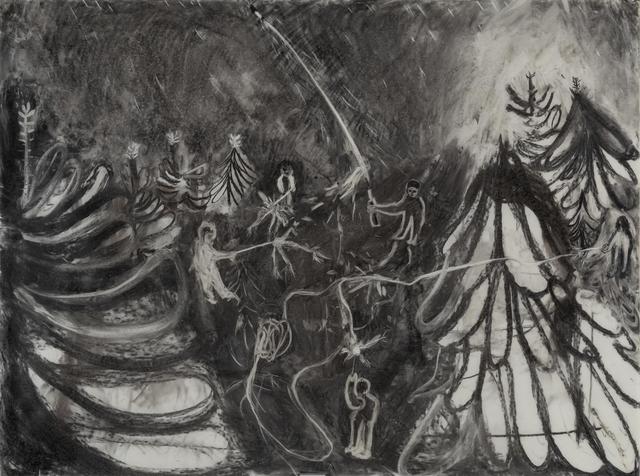
Zhang Meng, New Year's Eve (2020)
Related Results
Adam and Eve
Adam and Eve
Adam and Eve entered the Thyssen-Bornemisza collection in 1929. The panel was acquired from the Julius Böhler gallery in Munich, who had previously owned the painting in 1916. In a...
Venezia, Basilica di San Marco, Cupola della Genesi, Cacciata dal Paradiso Terrestre e condanna alla fatica
Venezia, Basilica di San Marco, Cupola della Genesi, Cacciata dal Paradiso Terrestre e condanna alla fatica
Basilica of San Marco, Genesis cupola: expulsion of Adam and Eve from Paradise and Adam and Eve doing penance....
Adam and Eve
Adam and Eve
The present panel has been in the Thyssen-Bornemisza collection since 1930, the year when it was first presented to the public in the exhibition at the Neue Pinakothek in Munich. T...
Happy New Year !
Happy New Year !
THE ONLY SMART WAY OF SEEING THE NEW YEAR IN - SOCIETY'S NEW LAW: "AULD LANG SYNE" AT THE SAVOY RESTAURANT.
A thousand guests sat down to supper at the Savoy on New Year's Eve and ...
Adam and Eve Making Garments of Leaves; God Admonishing Adam and Eve for their Transgression (one of a set of three)
Adam and Eve Making Garments of Leaves; God Admonishing Adam and Eve for their Transgression (one of a set of three)
Canvas worked with wool silk and metal thread; chain split tent and straight stitches; appliqué of woven silk textiles; metal thread braid...
Diptych with symbols of the Virgin and Redeeming Christ: Christ with the Cross as Redemptor Mundi (Right wing)
Diptych with symbols of the Virgin and Redeeming Christ: Christ with the Cross as Redemptor Mundi (Right wing)
This pair of panels formed part of a large ensemble of which the other subjects are now unknown. Within the Museum’s collection they are among the most iconographically interesting...
Diptych with symbols of the Virgin and Redeeming Christ: Virgin and Child in the Hortus Conclusus (Left wing)
Diptych with symbols of the Virgin and Redeeming Christ: Virgin and Child in the Hortus Conclusus (Left wing)
This pair of panels formed part of a large ensemble of which the other subjects are now unknown. Within the Museum’s collection they are among the most iconographically interesting...